
Content is king, but creating fresh, engaging content consistently can be a daunting task for any organization. This challenge has given rise to a powerful strategy: content repurposing for maximum reach. By leveraging existing content in new ways, B2B marketers can extend their reach, improve SEO, and engage audiences across multiple social media platforms. However, effective repurposing requires a strategic approach, understanding the unique characteristics of different content types and channels, and leveraging data analytics to measure success. This article examines the fundamental strategies, specific content types, advanced techniques, and special considerations involved in maximizing your content library through repurposing. By the end, you'll be equipped with the knowledge to create a robust, dynamic, and long-lasting content strategy.
- Understand Content Repurposing: The Core Strategy
- Audit Your Library: Identify Repurposing Opportunities
- Prioritize Content: Focus on High-Impact Pieces
- Adapt for Different Platforms: Maximize Reach
- Create New Formats: Extend Lifespan and Engagement
- Measure and Iterate: Optimize Repurposing Effectiveness
Understand Content Repurposing: The Core Strategy
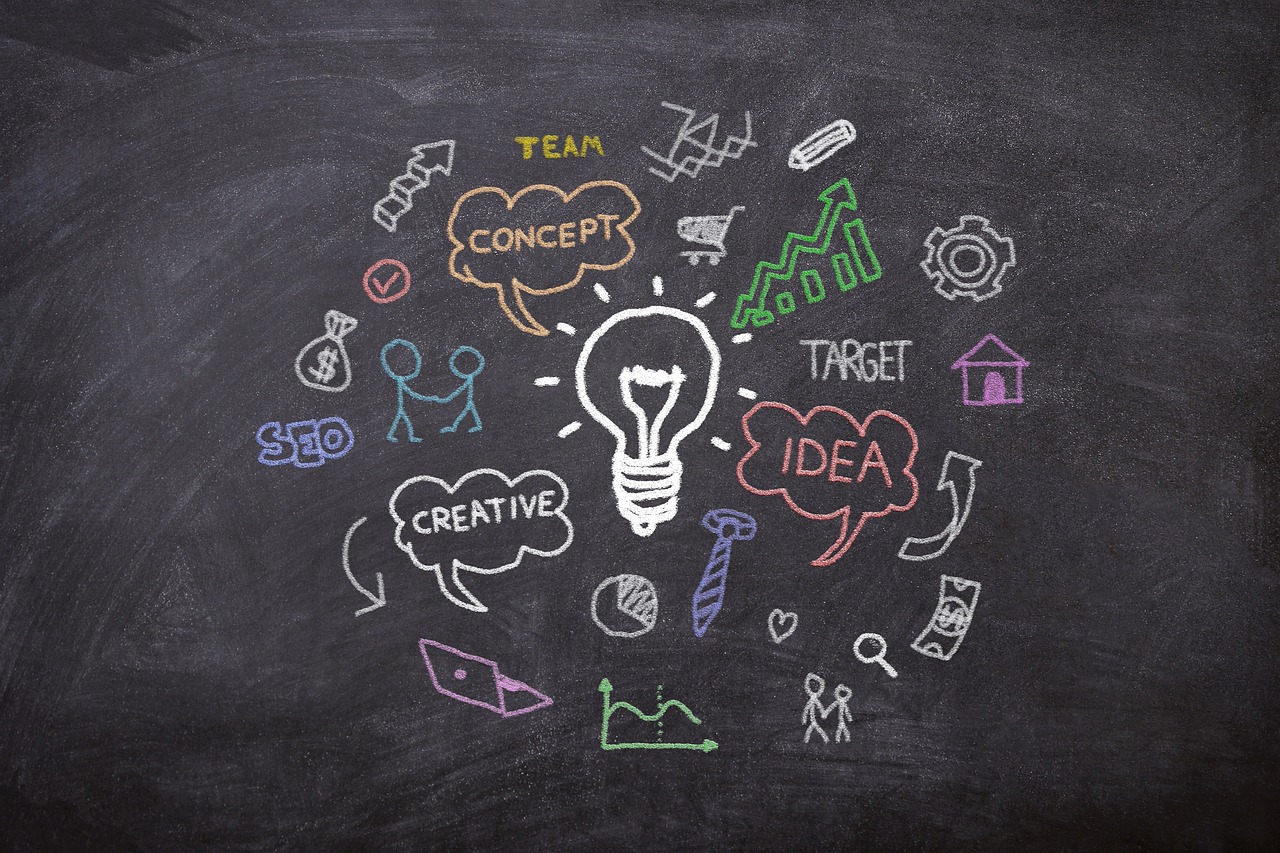
Content repurposing is a core strategy for maximizing your content library's potential and achieving long-term success. It involves taking existing, high-quality content and transforming it into new formats or contexts to reach a wider audience. This approach leverages the value of your existing resources, ensuring that each piece of content continues to serve multiple purposes, from SEO optimization to social media engagement. A well-crafted whitepaper can be transformed into a series of blog posts, infographics, or even a short video, each tailored to different consumption preferences and channels.
At its heart, effective content repurposing hinges on understanding your target audience's diverse needs and behaviors across various platforms. A professional content repurposing strategy begins with a meticulous analysis of your existing content, identifying pieces that resonate well with specific segments of your audience. Long-tail keyword research plays a pivotal role here, helping you discover less competitive, more targeted search terms that can guide content adaptations for niche audiences. A piece originally targeting "content marketing strategies" can be repurposed to focus on "content repurposing for small businesses," catering to a more specific, yet highly relevant, audience.
An emergency content refresh, while not a planned strategy, can also serve as an opportunity to demonstrate adaptability and relevance. When a sudden shift in industry trends or audience preferences arises, repurposing existing content can be a quick way to stay topical. By applying data analytics to gauge content performance, you can identify pieces that are resonating with your audience and repurpose them effectively. This dynamic approach ensures that your content library remains vibrant and relevant, contributing to a robust digital presence that adapts to evolving market conditions.
Audit Your Library: Identify Repurposing Opportunities

To maximize the reach and longevity of your content library, a thorough audit is essential. Content repurposing for maximum reach involves a strategic examination of existing assets to identify underutilized or dormant materials that can be revived and presented in new formats. This process offers a wealth of opportunities, especially for businesses aiming for a niche audience or local market penetration.
Begin by categorizing your content library, organizing it based on themes, formats, and performance metrics. Analyze engagement data and reader feedback to pinpoint high-performing pieces that resonate with your target audience. A well-received blog series on SEO strategies for small businesses could be transformed into an in-depth ebook, providing a valuable resource for potential clients. Consider the unique challenges and information needs of your specific industry or local community. Reliable content repurposing for businesses in this context involves tailoring existing resources to address these unique requirements.
During the audit, look for content gaps and areas where repurposing can expand your library's reach. A social media campaign that generates strong local engagement could be adapted into a series of short videos optimized for relevant online platforms. This strategy leverages successful content while exploring new channels, ensuring that your message continues to resonate with your audience in diverse formats. By systematically identifying and repurposing high-quality content, you can create a dynamic library that grows in value over time.
Prioritize Content: Focus on High-Impact Pieces

Maximizing the impact of your content library requires a strategic approach to content repurposing, especially when aiming for long-term success. Among the vast array of digital marketing strategies, experienced content repurposing consultants emphasize the importance of prioritizing high-impact pieces. This focused strategy ensures that your most valuable content reaches the widest audience and drives meaningful engagement.
Identifying and repurposing your most effective content involves careful analysis. Consider the pieces that have consistently performed well, generating high engagement metrics and driving significant traffic. A well-received blog post on a specialized topic might be repurposed as a series of social media infographics, expanding its reach to new platforms and demographics. Long-tail keyword content repurposing is particularly effective here; breaking down complex ideas into digestible, targeted chunks can attract a niche audience interested in specific solutions.
By focusing on content repurposing, non-profit organizations can ensure their key messages are amplified without the need to constantly produce new material. This strategy not only saves time and resources but also maintains a consistent brand voice. A successful video series could be transformed into a podcast, catering to different consumer preferences while retaining the core audience. This approach demonstrates the power of content repurposing for reliable business growth, ensuring your most impactful creations continue to serve as cornerstones of your digital presence.
Adapt for Different Platforms: Maximize Reach

To maximize the reach of your content library, content repurposing is an essential strategy that non-profit organizations can leverage to adapt their content for different platforms. This approach ensures that each piece of content has a new life, reaching a broader audience and increasing engagement. Certified content repurposing specialists can help transform your existing content, such as blog posts, whitepapers, or even video transcripts, into fresh formats tailored to social media, email newsletters, or infographics. By doing so, you can significantly extend the lifespan of valuable resources, ensuring they remain relevant and impactful over time.
A well-crafted blog post on sustainable fundraising initiatives can be repurposed into a series of Instagram Reels, each focusing on a specific tip. This strategy not only caters to the platform's visual and video-oriented audience but also allows you to educate a new segment of followers. Positive content repurposing reviews from satisfied users highlight the effectiveness of this method, demonstrating increased engagement metrics and a broader reach. Nearby content repurposing experts can offer tailored advice, ensuring your content resonates with local audiences and aligns with regional nuances.
The process involves careful consideration of platform-specific requirements and audience preferences. For social media, short, visually appealing formats are key to capturing attention. Email newsletters, on the other hand, lend themselves to more detailed content, allowing for in-depth exploration of a topic. By segmenting your content strategically, you can maximize its potential, ensuring each piece serves its intended purpose across multiple channels. This method not only expands your audience but also strengthens your overall content strategy, fostering a more diverse and dedicated following.
Create New Formats: Extend Lifespan and Engagement

Creating new formats from your existing content library is a powerful strategy to extend the lifespan and engagement of your material. By repurposing content, you can reach a wider audience and maximize your online impact. This approach is especially beneficial for non-profit organizations aiming to enhance their digital presence and attract local traffic.
Certified content repurposing specialists can transform your existing assets into fresh, engaging formats. A whitepaper on sustainable fundraising practices could be converted into a series of blog posts, infographics, or even short videos. This process not only breaks down complex ideas into digestible chunks but also allows you to target different consumer preferences and behaviors. A niche content repurposing service might take a practical guide on donor stewardship and adapt it for social media, creating shareable quotes, visuals, or short tutorials that resonate with younger audiences. A reliable content repurposing service can ensure your message reaches the right people, at the right time, across multiple channels.
The benefits of this strategy are manifold. It saves time and resources by leveraging existing content, reduces the need for constant creation, and allows for more consistent messaging. It improves content discoverability and SEO, as search engines favor fresh, varied content. By repurposing, you can create a dynamic digital presence that keeps your audience engaged and attracts new visitors. For maximum reach, consider the diverse formats that best suit each piece of content and target them to specific platforms and demographics. This strategic approach will ensure your non-profit's online voice is not only heard but also heeded.
Measure and Iterate: Optimize Repurposing Effectiveness

Measuring and iterating are the cornerstones of optimizing your content repurposing strategy for maximum reach. Top-rated content repurposing tools can provide valuable insights into which formats resonate best with your audience across different channels. By analyzing engagement metrics, you can identify high-performing pieces and understand the factors driving their success. A well-structured infographic might yield significantly higher shares on social media compared to a text-heavy blog post, indicating a preference for visual content among your target demographic.
Once you've identified effective content formats, incorporate affordable repurposing techniques to extend their lifespan. Repurposing doesn't have to be costly; simple adjustments like transforming a blog post into a series of social media graphics or condensing a lengthy article into a set of concise bullet points can significantly broaden your content's reach. A trusted content repurposing agency can offer specialized expertise, ensuring your content is tailored for maximum impact across all platforms. However, for many non-profits with limited budgets, in-house optimization through strategic repurposing is both feasible and cost-effective.
Regularly review and refine your repurposing approach based on performance data. Tools for data analytics allow you to track the performance of repurposed content over time, identifying trends and areas for improvement. You may notice a steady decline in views for a particular video after the initial surge. This data points to the need for freshening up the content or experimenting with different distribution channels. By consistently measuring and iterating, you ensure that your content library remains vibrant and effective in engaging your target audience, ultimately driving better outcomes for your organization.
Frequently Asked Questions About Maximizing Your Content Library: Repurposing for Long-Term Success
What is repurposing content, and why is it important for non-profit websites? Repurposing content involves taking existing content and transforming it into new formats or contexts to reach different audiences and goals. For non-profit organizations, this strategy is crucial as it allows you to maximize the potential of your content library. By repurposing, you can extend the lifespan of your content, attract new visitors, and engage existing users through diverse channels, ultimately boosting your online presence and mission impact.
How can I identify content that lends itself well to repurposing? Look for content with universal themes or that addresses evergreen topics. Blog posts, articles, or research papers with high engagement or sharing rates are good candidates. Also, consider content that has received feedback requesting additional formats, such as infographics, videos, or podcasts. User interactions and analytics can guide your repurposing efforts by highlighting popular content and identifying areas for improvement.
What are some effective ways to repurpose content? Repurposing options include transforming written content into visual assets like infographics or slideshows, creating video versions of blog posts, summarizing lengthy articles into bite-sized podcasts, or adapting content into email newsletters. You can also simplify complex content for a younger audience or create a series of social media posts that expand on a single theme from your original piece. The key is to maintain the core message while tailoring it to the unique characteristics of each format.
Can repurposing content help with search engine optimization (SEO)? Absolutely. Repurposing not only extends your content's reach but also enhances your SEO strategy. By creating multiple versions of a piece, you increase the likelihood of ranking for different keywords and search queries. This practice improves your website's visibility and drives more organic traffic. Repurposing can lead to backlink opportunities when other websites share or link to your content in new formats, further boosting your search engine rankings.
How do I plan a content repurposing strategy? Start by reviewing your existing content and identifying pieces with high repurposing potential. Then, define your target audiences and formats for each piece. Create a content repurposing calendar to organize your strategy. Set goals, deadlines, and metrics for success. Regularly analyze the performance of your repurposed content to refine your approach and ensure it aligns with your long-term digital marketing strategy.
Maximizing your content library through strategic repurposing is a powerful approach for non-profit organizations to achieve long-term success in reaching their target audience. By understanding the core concept of content repurposing, conducting a thorough audit of your existing library, and prioritizing high-impact pieces, you can create a robust strategy that drives engagement and expands your reach. Adapting content for different platforms and formats increases its lifespan and accessibility, while data-driven measurements and iterations ensure continuous optimization.
Key takeaways include:
- Prioritizing essential content pieces to maximize their impact.
- Leveraging platform-specific formats to engage diverse audiences.
- Using data analytics to track content performance and refine strategies.
Practical next steps include:
- Conducting a comprehensive audit of your content library.
- Identifying opportunities for repurposing and adapting content.
- Setting up tracking metrics to measure the success of repurposing efforts.
By implementing these strategies, non-profits can achieve the full potential of their content, driving significant engagement and contributing to their mission-driven goals.
Content repurposing maximizes library potential for non-profits through transforming existing, high-quality content into new formats for diverse audiences. This strategy leverages SEO, social media, and data analytics to extend content reach, ensure relevance, and adapt to market shifts. Key steps include:
1. Audit & Categorize: Systematically examine content library, categorize by themes, formats, and performance metrics.
2. Prioritize High-Impact: Identify top-performing pieces, tailor repurposing to niche audiences, and address local community needs.
3. Strategic Repurposing: Create new formats (e.g., blog infographic, video social media graphics) for different platforms and preferences.
4. Measure & Iterate: Use analytics to track repurposed content performance, refine formats based on data insights.
Content repurposing for maximum reach is a dynamic, cost-effective method to amplify key messages and drive engagement for local traffic.